
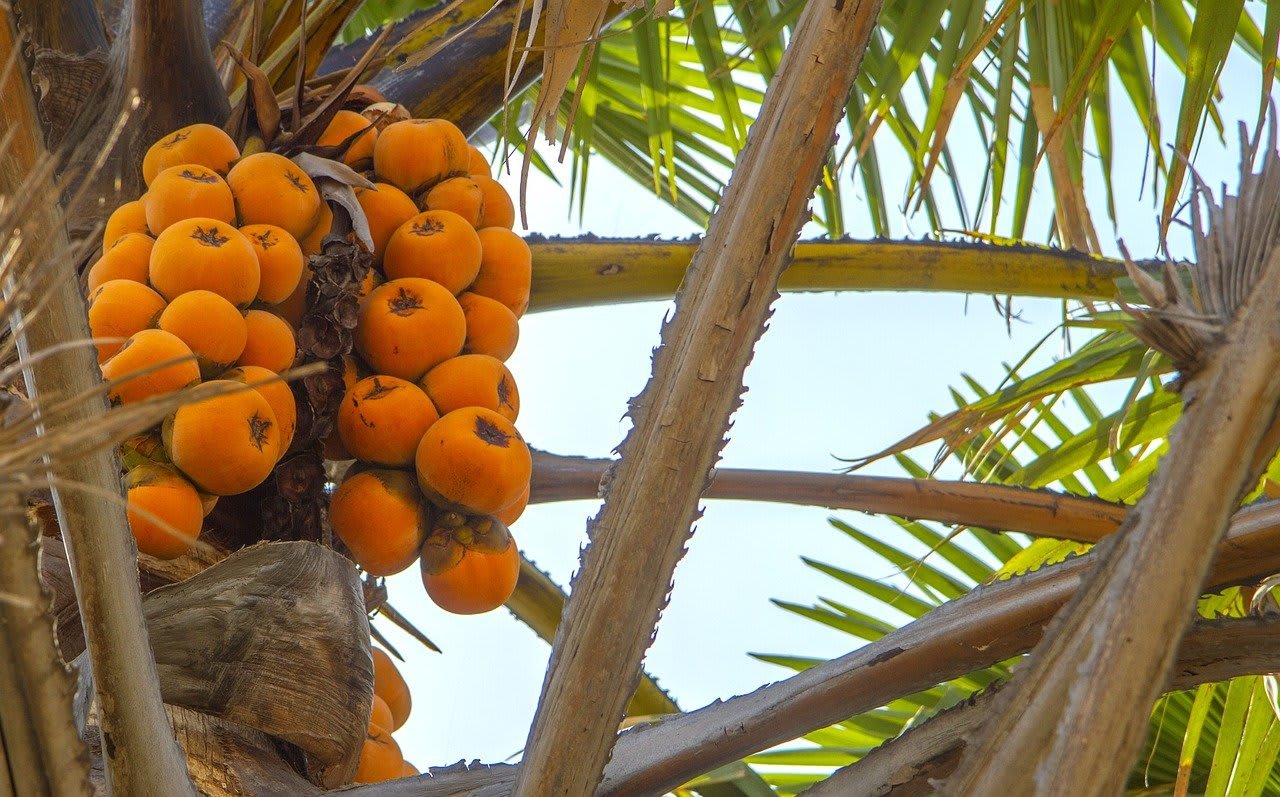
FAVORITE NIGERIA FOOD
April 29, 2021
NIGERIA. THE GOOD, THE BAD, THE UGLY
May 3, 2021FAVORITE NIGERIA FOOD
April 29, 2021NIGERIA. THE GOOD, THE BAD, THE UGLY
May 3, 2021THE EFFECT OF THE PANDEMIC ON AFRICAN AMERICANS
The COVID19 pandemic has highlighted many of the problems and disparities that continue to perpetuate the racial gap. Many years of racism and persistent systemic inequalities not only make African-Americans more vulnerable to the effects of the pandemic but also make it even more difficult for them to fight the impact of the virus. Furthermore, not only was the impact of COVID-19 on the lives and livelihoods of African Americans predictable, but it also uncovered greater disparities than we had previously understood.
To start with, African Americans are almost twice as likely to live in areas that would be disproportionately affected by a health crisis like COVID-19. That's true in part because most African Americans live in areas with poor access to quality health care and public health services. Additionally, African Americans disproportionately reside where air quality levels are low, which becomes a major risk factor when it comes to respiratory diseases like COVID-19.
What most African Americans do for a living is also a major factor in how they are being affected by the coronavirus. While many American workers work from home, Black Americans are much less likely to be able to take advantage of this new work dynamic: Only 20% of Black workers are able to work from home in the current situation, compared to 30% of white workers and 37% of the Asian race.
More black jobs are high-touch and high-risk.
One reason few percentages of the black American population are able to work from home during the pandemic is that they account for a small percentage of nine of the ten lowest-paying jobs that are considered essential high-touch services. A particular concern is the fact that many of those jobs are frontline healthcare positions, meaning that black Americans are at higher risk of contracting the virus just from the work they do, which is work that helps to treat and protect others from the virus.
These and other issues also predispose African Americans to medical conditions that greatly increase the risks associated with COVID-19. African Americans are 30% more likely to have comorbidities that include cardiovascular disease, asthma, diabetes, chronic kidney disease, hypertension, and obesity.
All the above factors have resulted in an exceptional dire situation for the lives and livelihoods of many Blacks in the wake of the pandemic. Fortunately, there are solutions that can change these situations for the better, including:
• Domestic health workers can be trained and deployed to high-risk areas in order to connect patients with appropriate health and social services, as well as to help rebuild trust in the health system as a whole.
• Employers can have a tangible impact by providing a payment for dangerous living conditions that better reflect the risks faced by frontline workers, as well as increasing those incentives for employees from the most vulnerable populations.
• Employers can also expand health care benefits, subsidize access to protective equipment, and develop relationships with businesses such as hotels that can provide greater protection for at-risk personnel.
• Public-private partnerships can be developed to provide vulnerable populations with greater access to primary care physicians.
• Public-private partnerships can also help increase broadband access, giving black Americans in need the opportunity to benefit from the expansion of telehealth services.